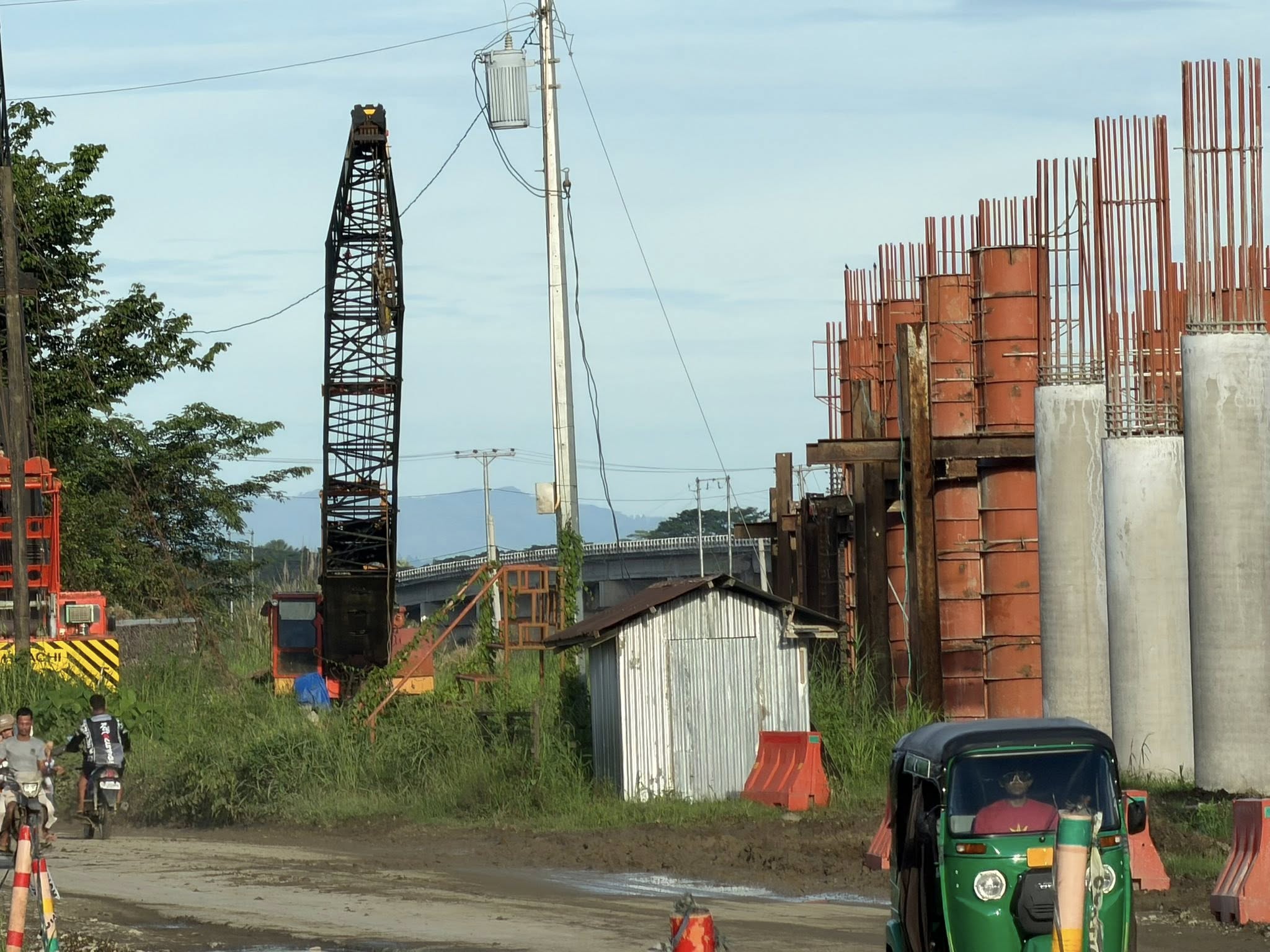

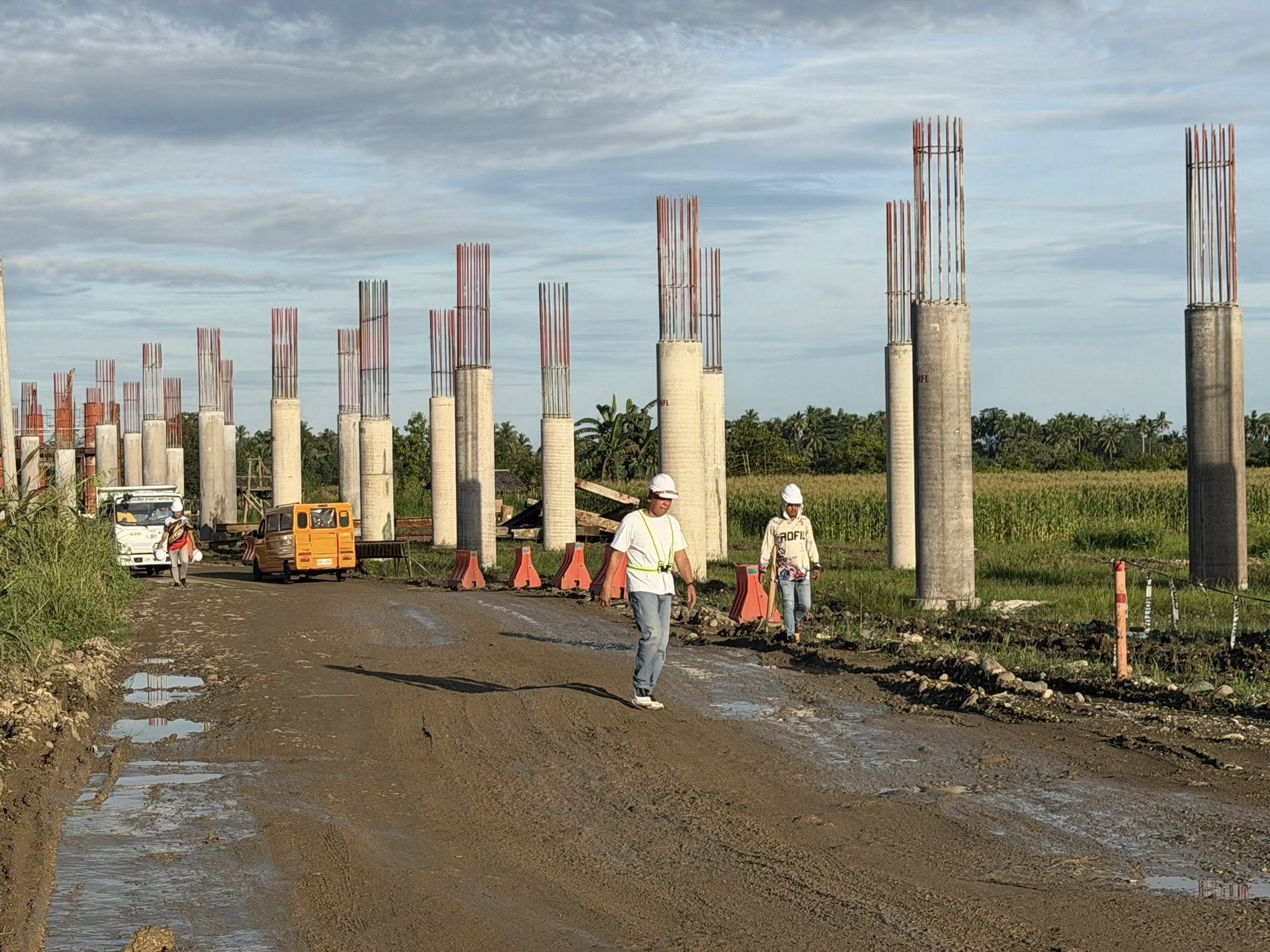
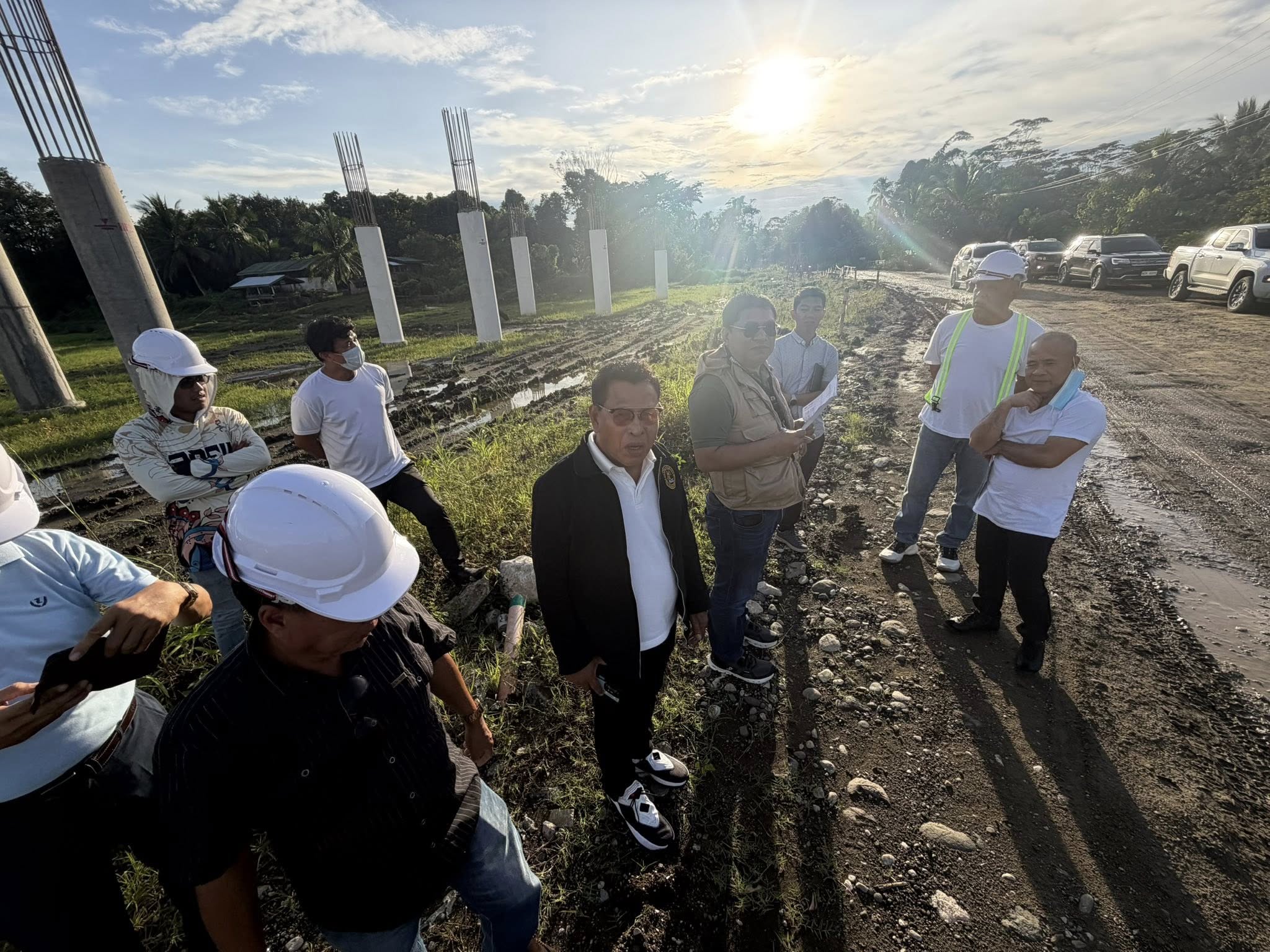
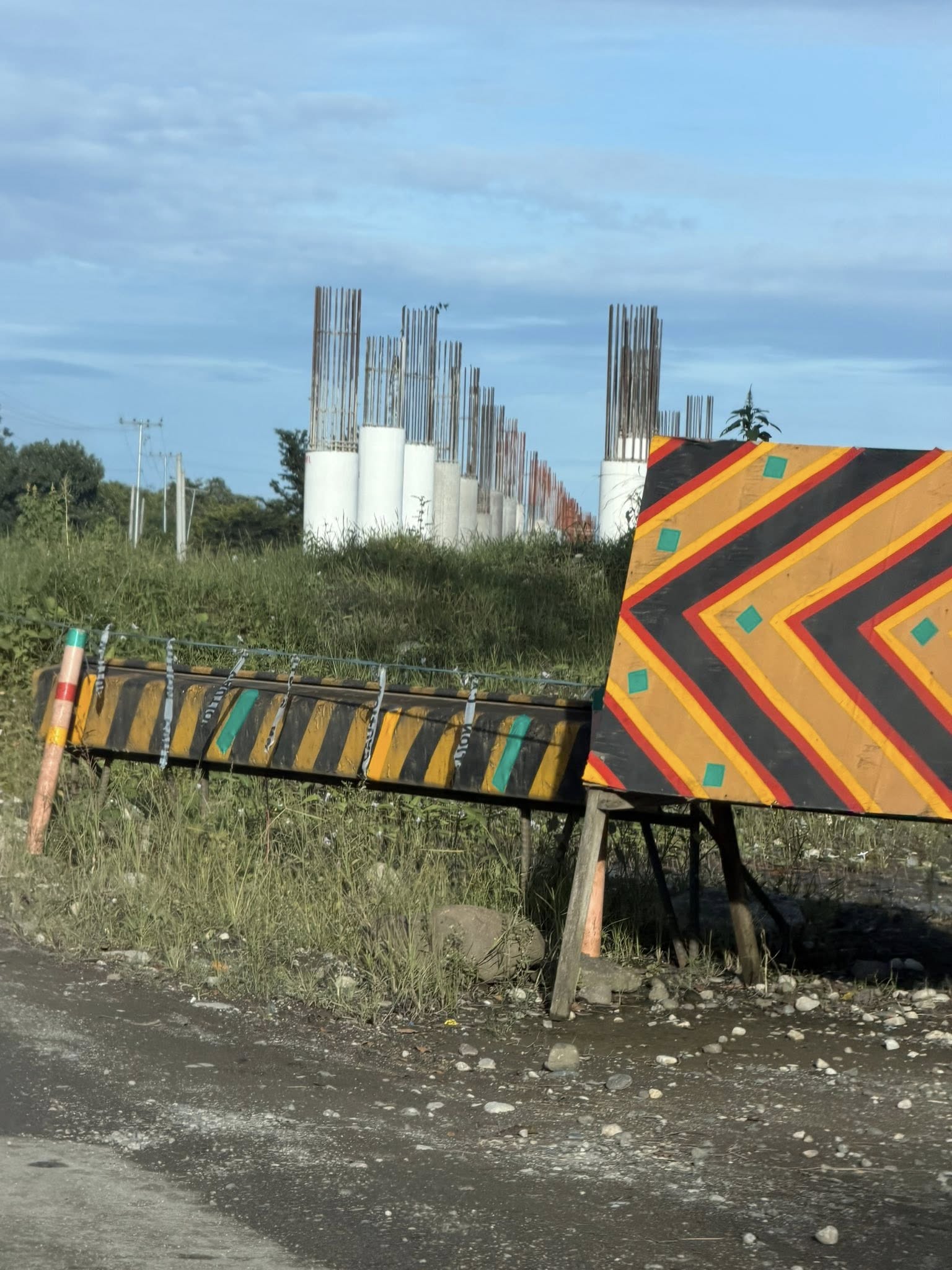
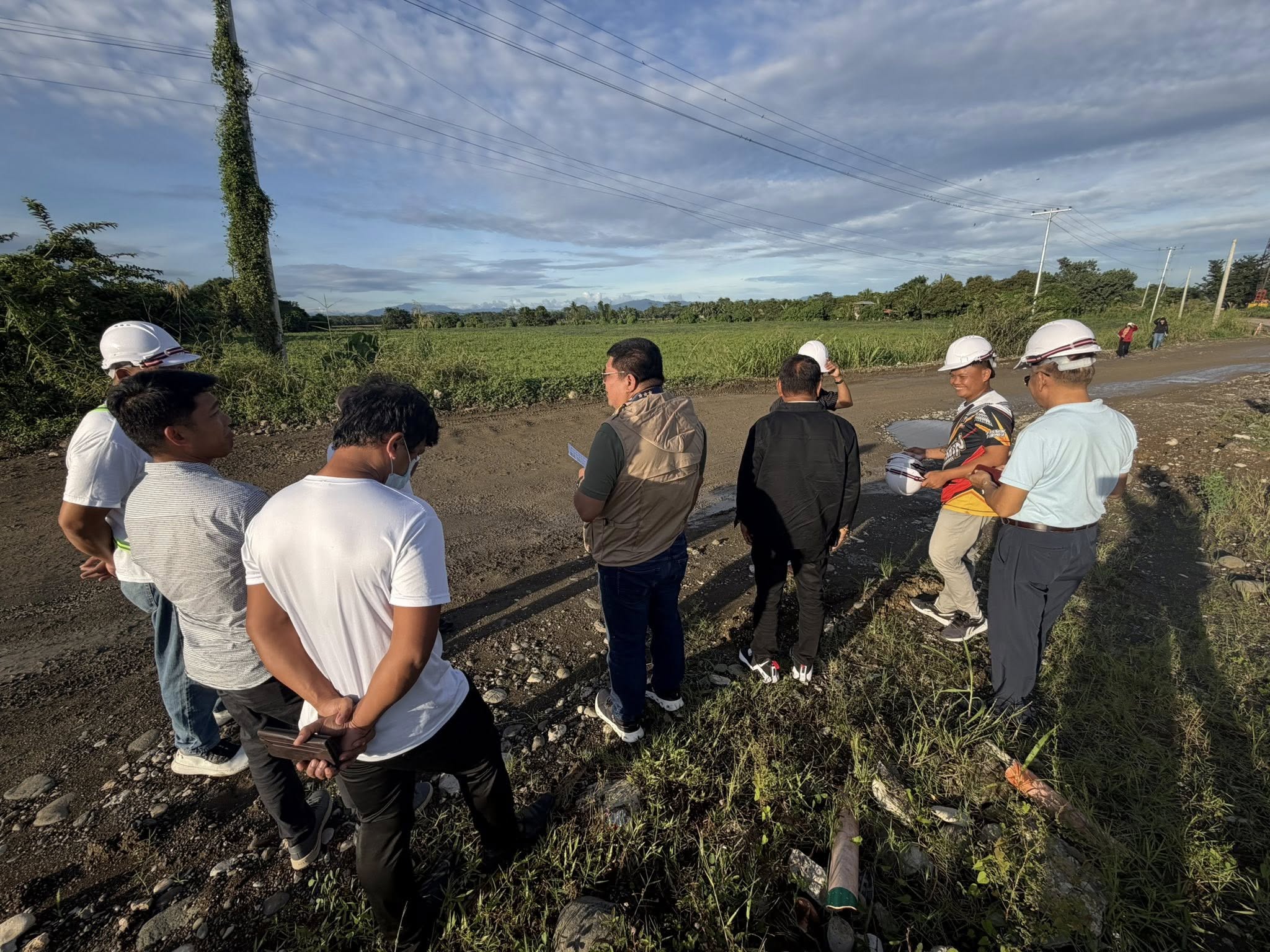
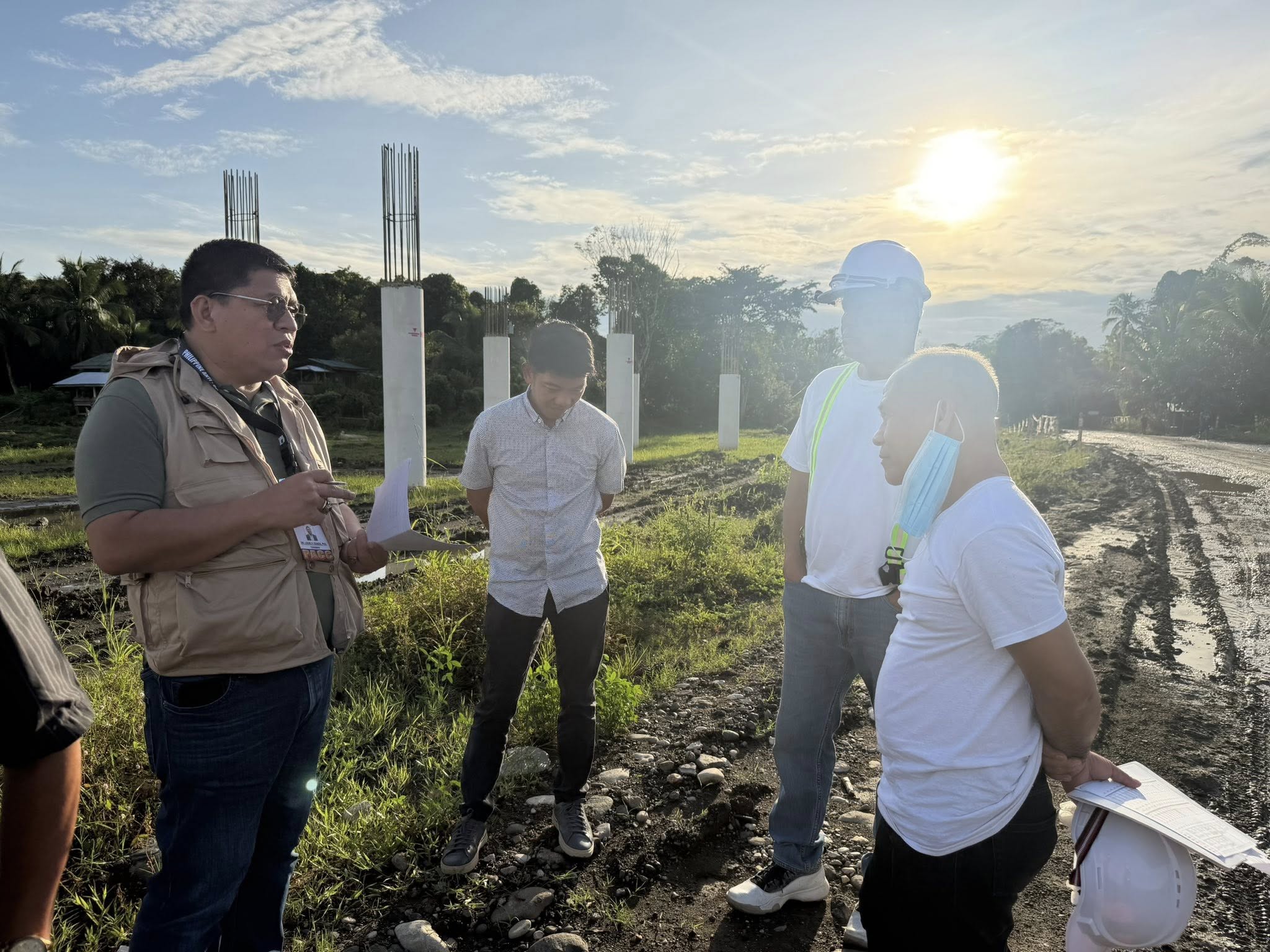
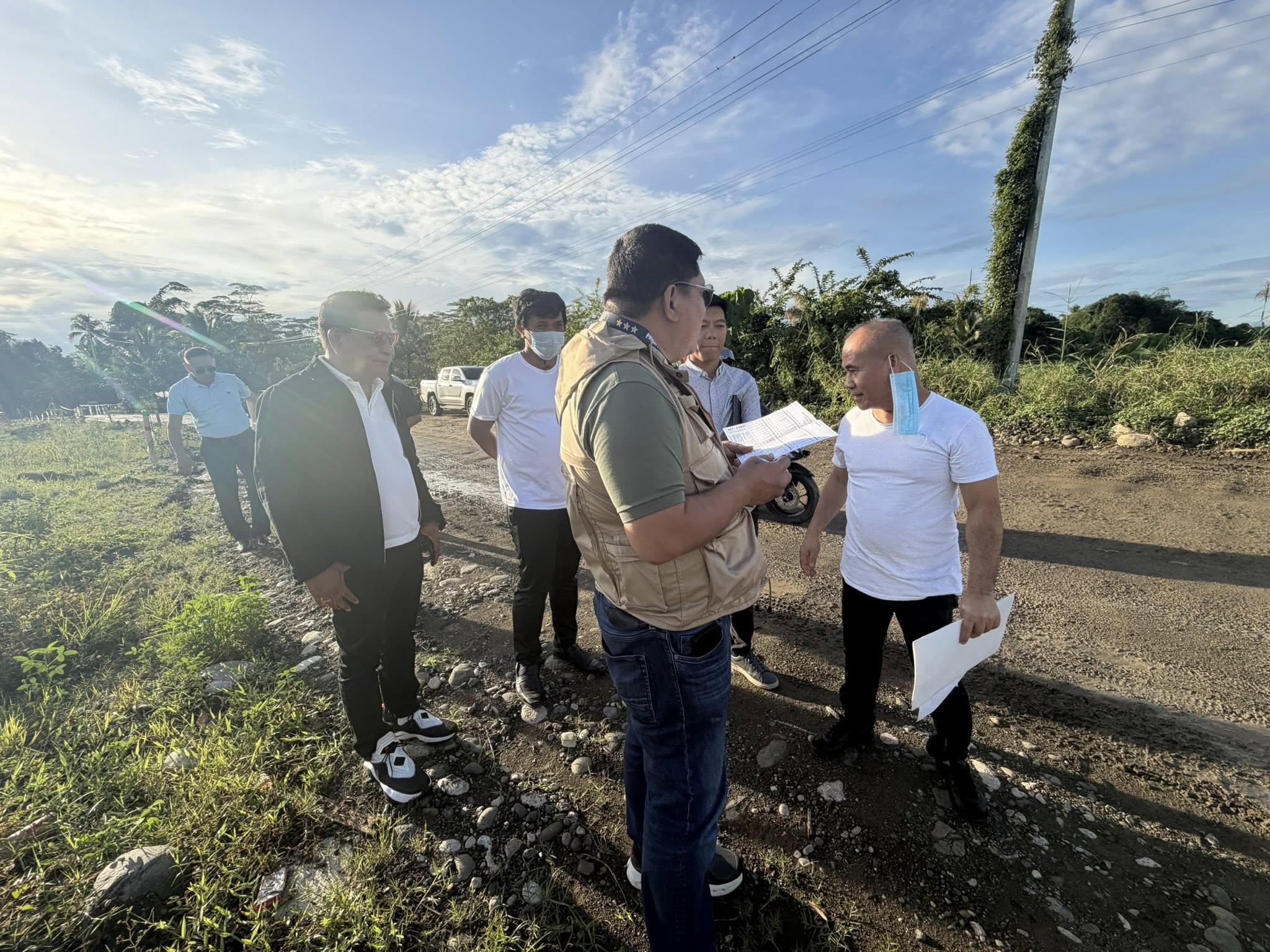
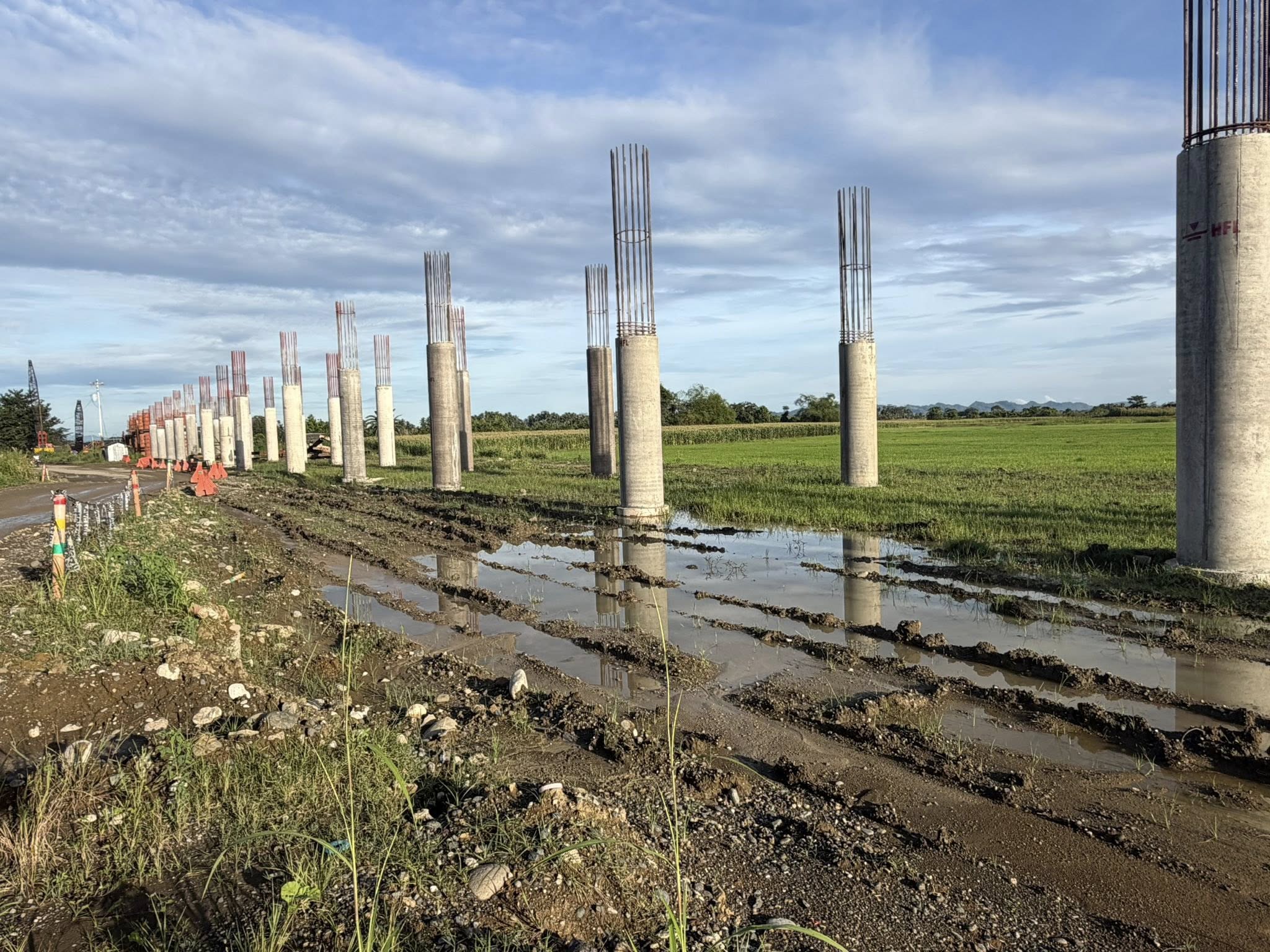
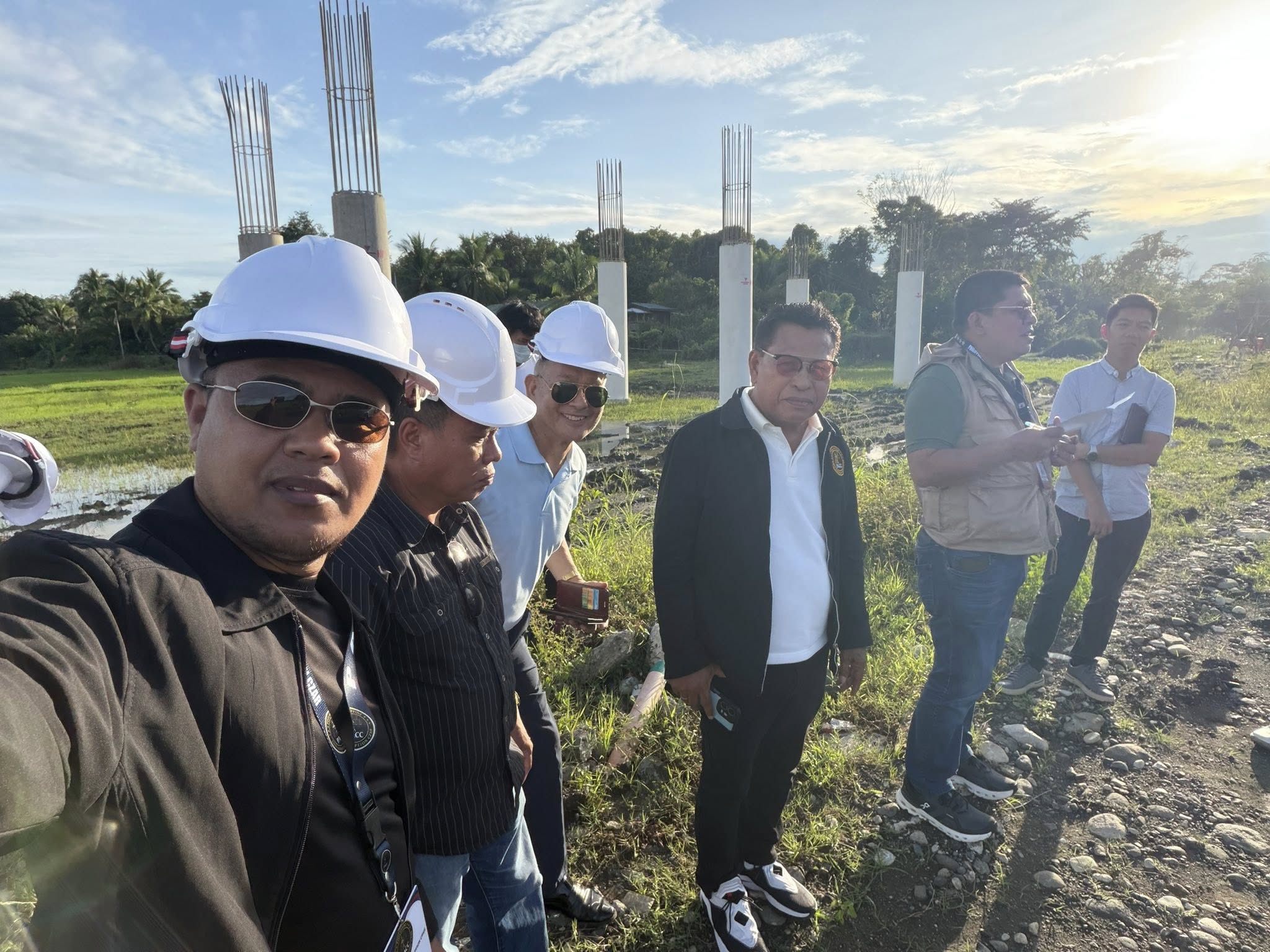
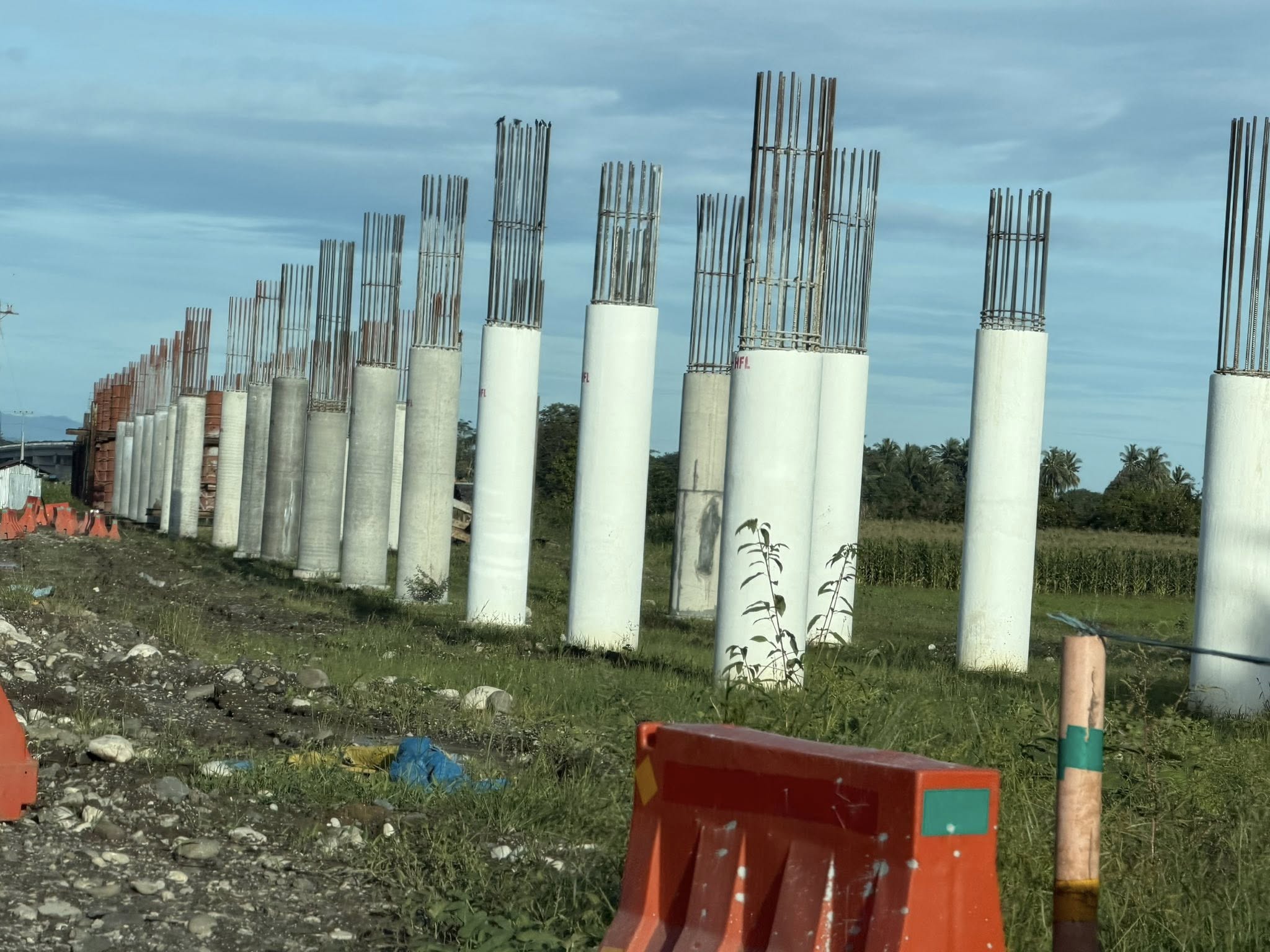
The Esperanza Bridge, which began construction in 2018 under ADFIL Corporation, was envisioned to serve as a vital link within the secondary road network of Agusan del Sur. Yet, after six years and eigth separate contract packages, the site remains filled only with rows of unfinished concrete piers—columns standing idly on muddy terrain with no bridge deck, girders, or approach road in sight.
According to PACC’s consolidated data, the DPWH has already spent approximately ₱920 million, with the total project cost programmed to exceed ₱2 billion. Despite this massive allocation, physical progress on-site remains negligible and far from what should have been delivered.
The project has passed through multiple contract phases since 2018. The first contract, under Contract ID 18N00107, began on November 29, 2018, with a cost of ₱18.67 million covering the construction of bored piles at Pier 115 and the detour or access road, scheduled for completion by June 2019.
The second contract, Contract ID 19N00041, amounting to ₱144.73 million, started on July 15, 2019, for the construction of bored piles from Pier 104 to Pier 114. It was supposed to be finished by April 16, 2020, after 277 calendar days.
The third phase, under Contract ID 20N00102, began on December 20, 2020, with a contract amount of ₱101.22 million for bored piles covering Piers 96 to 103 and corresponding access roads.
The fourth phase, Contract ID 21N00030, started on December 21, 2020, with a value of ₱125.44 million and a completion target of November 30, 2021. This covered bored piles from Piers 87 to 95.
The fifth contract, Contract ID 22N00104, was awarded on August 19, 2022, with a revised amount of ₱144.75 million, intended for bored piles at Piers 77 to 86, including Pier 77 left side and related access works, with completion due on May 30, 2023.
The sixth phase, Contract ID 23N00158, with a project cost of ₱88.84 million, started on March 24, 2023, covering bored piles at Piers 75 to 76, Piers 116 to 117, and Piers 118 to 120, with a revised duration of 212 days and a completion date of October 21, 2023.
The seventh package, Contract ID 24N00091, commenced on March 8, 2024, with a revised amount of ₱149.57 million, covering the bored piles from Piers 118 to 127 and the detour road, targeted for completion by December 30, 2024.
Finally, the eighth ongoing phase, Contract ID 25N00158, started on February 21, 2025, with a cost of ₱147.91 million, intended for bored piles from Pier 72 to Abutment B, including column construction from Pier 85 to 127, and is expected to end by December 17, 2025.
Despite these successive contracts spanning nearly seven years, the project has not produced a single usable bridge segment, leaving only unfinished columns scattered across the site.
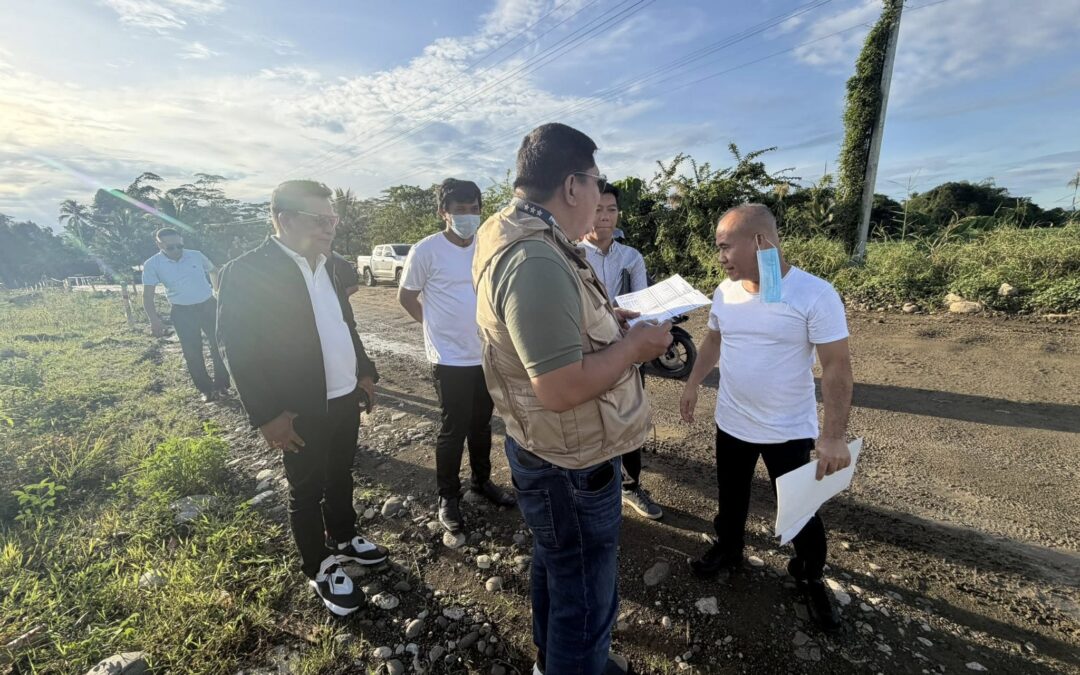
Chairman Louie F. Ceniza expressed deep concern over the project’s status, citing serious design flaws, weak supervision, and questionable spending. The inspection revealed that only vertical concrete piers were visible across the farmland, resembling “posts without purpose.” No bridge superstructure, abutments, or functional access roads were present.
The ₱920 million already disbursed does not correspond to the minimal physical progress on the ground. Experts who accompanied the inspection pointed out that the design appears grossly over-engineered and inconsistent with the project’s secondary road classification. It was funded and built as though it were part of a major national expressway like the Maharlika Highway, despite its local nature and limited traffic demand.
Several independent technical experts also remarked that the government could have saved an enormous amount of money if the project design had been more practical and site-appropriate. They suggested that rather than constructing an expensive viaduct-type bridge stretching across a marshy floodplain, a large dike or raised embankment of about one kilometer before the river could have been built, followed by a shorter bridge directly crossing the main Agusan River channel.
According to their professional estimate, such a design would have cost only around ₱300 million, achieving the same purpose, ensuring flood protection, and promoting faster completion. This alternative highlights the poor planning and overdesign of the current project, which has resulted in wasted time and resources.
The PACC investigation concluded that the project suffered from fragmented implementation and a lack of integrated management. The repeated re-awarding of similar contracts for bored piles without synchronized project planning caused disjointed progress and misaligned structures. The absence of consistent funding, coupled with poor coordination among DPWH divisions, contributed to chronic delays and cost overruns.
The DPWH Bureau of Design is now under scrutiny for possible lapses in the feasibility, hydraulic, and geotechnical studies that justified the project’s approval. The fact that a low-volume road received a multi-billion-peso bridge design raises serious questions about technical justification, economic rationality, and oversight accountability.
Residents and local officials of Esperanza have written formal complaints to the PACC, questioning how such an expensive and inefficient project was approved. They demanded a comprehensive technical and financial audit and the identification of all responsible officials and contractors.
Local leaders have called the structure a “monument of waste”, lamenting that billions of pesos were poured into a project that connects nothing. Public frustration runs deep, as funds that could have improved schools, hospitals, farm-to-market roads, and community services remain locked in a bridge that serves no purpose.
“This is a very clear case of wastage of public funds. Even along the Maharlika Highway, where thousands of vehicles pass daily, we have never seen a bridge costing more than ₱2 billion. This bridge was designed for a secondary road but approved and funded as if it were a major national expressway. After almost seven years, only concrete posts stand here. The people of Agusan del Sur deserve answers and justice,” said Chairman Louie F. Ceniza.
Chairman Ceniza added that the PACC will forward its findings to the Commission on Audit (COA), the Office of the Ombudsman, and the DPWH Central Office for a full-scale forensic and financial investigation to determine accountability, identify irregularities, and impose sanctions where appropriate.
Based on the findings, PACC recommends an independent structural and hydraulic review by the University of the Philippines – National Engineering Center to determine whether the ₱2-billion design was technically and economically justified.
A comprehensive financial audit should also be conducted by the COA and PACC Forensic Audit Team to trace all fund releases, progress billings, and contractor payments from 2018 to 2025.
The DPWH Central Office must conduct administrative proceedings against all bureau of design, regional planning & design, and approving officials responsible for the flawed feasibility study and cost estimations. The ongoing construction should be suspended until a complete technical audit is completed and a cost-efficient redesign is approved.
Finally, transparency and public monitoring must be strengthened. All project documents—plans, financial reports, and progress updates—should be made public online, while a local citizen oversight committee composed of engineers, civic leaders, and PACC volunteers should be established to ensure independent community-based monitoring.
The Esperanza Bridge Project now stands as a monument of mismanagement, waste, and questionable design. After nearly seven years and close to a billion pesos spent, the project remains a line of unfinished pillars rather than a structure of progress.
Under the leadership of Chairman Louie F. Ceniza, the Philippine Anti-Corruption Czar (PACC) vows to pursue truth, enforce accountability, and protect public funds. PACC reiterates its call for honesty, transparency, and responsible governance in all government projects.
“The people deserve not abandoned posts, but a true bridge—one that connects communities, strengthens commerce, and restores the people’s trust in government.”